In a universe filled with stars, planets, and the occasional space burrito, keeping things clean is more crucial than ever. Space decontamination isn’t just about wiping down the control panels; it’s about ensuring that our cosmic adventures don’t turn into intergalactic germ fests. Imagine landing on Mars only to discover you’ve brought along a party of bacteria that would make even the hardiest alien cringe.
Overview of Space Decontamination
Space decontamination involves the process of ensuring that spacecraft and instruments are free from terrestrial microorganisms. This practice protects both the integrity of alien environments and scientific integrity during exploration missions. Without proper decontamination protocols, risks of contamination increase significantly. For instance, harmful bacteria can inadvertently hitch a ride on spacecraft, leading to unintended consequences.
Various methods exist for space decontamination. Heat sterilization employs high temperatures to eliminate microbial life, while chemical sterilizers utilize specific agents to achieve similar results. Ultraviolet (UV) radiation also serves as an effective decontamination technique, disrupting microbial DNA in exposed areas. Essential choices must be made regarding these methods based on mission requirements and the type of materials involved.
Protocols are put in place before missions launch. Each spacecraft undergoes meticulous cleaning procedures to mitigate contamination risks. The use of cleanrooms during assembly further reduces the chance of microbial transfer. Proper training of personnel contributes to effective decontamination practices, ensuring everyone involved understands their role.
Research continues to evolve in this field. Scientists explore innovative techniques and solutions to enhance efficiency and reduce risks. As exploration efforts expand, particularly to Mars and beyond, maintaining clean environments becomes crucial. Understanding the balance between exploration and environment safeguards the future of space missions.
Importance of Space Decontamination
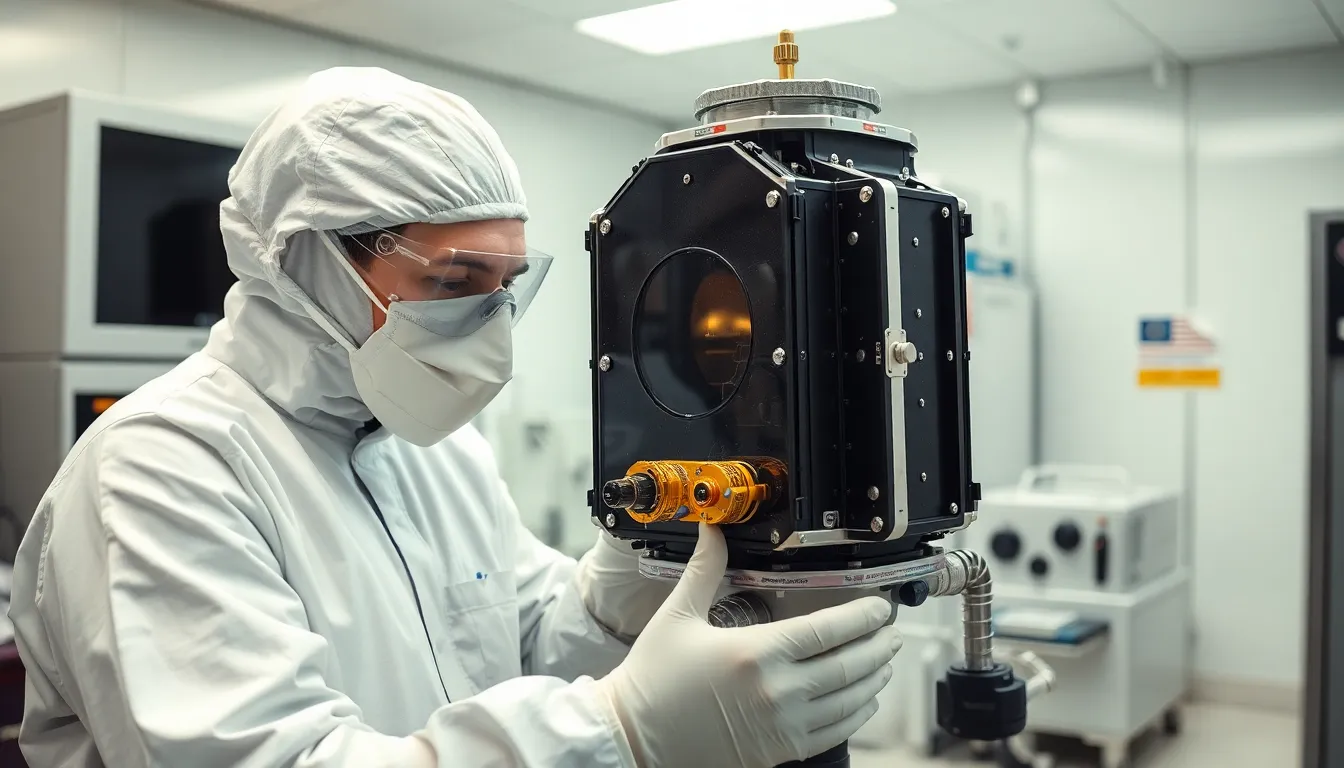
Space decontamination plays a crucial role in space exploration, ensuring the survival of pristine extraterrestrial environments. By adhering to specific protocols, missions maintain scientific integrity while safeguarding other planets from harmful microorganisms.
Prevention of Contamination
Prevention of contamination remains a top priority in space missions. Contaminants can easily hitch a ride on spacecraft, risking entire missions. Implementing rigorous decontamination methods minimizes this risk. For instance, heat sterilization effectively eliminates most microorganisms. Chemical agents also serve as additional safeguards, targeting stubborn microbes. Cleanroom protocols ensure that spacecraft and instruments remain uncontaminated during the assembly and testing phases. Personnel undergo proper training to recognize and mitigate contamination risks. Taking these preventive measures protects not only spacecraft but also the integrity of scientific findings.
Protecting Extraterrestrial Ecosystems
Protecting extraterrestrial ecosystems is essential for future exploration. Introducing Earth-based microorganisms to other planets threatens their unique environments. Some organisms might outcompete native life forms, skewing research outcomes. Maintaining strict decontamination practices preserves the purity of these ecosystems. Researchers strive to understand the complexity of potential alien life, which depends on contamination-free environments. Effective decontamination secures the integrity of future planetary exploration endeavors. As more missions target Mars and beyond, prioritizing the preservation of these environments becomes increasingly critical.
Methods of Space Decontamination
Space decontamination employs various techniques to ensure spacecraft remain free from terrestrial microorganisms. These methods include chemical and physical approaches tailored to specific mission requirements.
Chemical Decontamination Techniques
Chemical agents play a critical role in space decontamination, addressing microbial contamination effectively. Bleach and hydrogen peroxide are commonly used, as they eliminate bacteria and other microorganisms on surfaces. Concentrations of these agents can vary based on the material being treated. Additionally, surface disinfectants undergo rigorous testing to ensure compatibility with spacecraft materials and long-term effectiveness. Their application requires careful handling and monitoring, preventing potential chemical reactions that could damage sensitive equipment.
Physical Decontamination Techniques
Physical methods comprise strategies like heat sterilization and UV radiation to combat microbial contamination. Heat sterilization processes involve applying high temperatures to eliminate pathogens on surfaces. This technique varies by mission specifications but generally requires careful temperature control. On the other hand, UV radiation effectively disrupts microbial DNA, ensuring sterilization without chemical residues. UV exposure times and intensities depend on the targeted microorganisms. Both methods emphasize safe and efficient decontamination, safeguarding spacecraft integrity and extraterrestrial environments during exploration missions.
Challenges in Space Decontamination
Space decontamination faces several significant challenges that complicate efforts to maintain the purity of extraterrestrial environments.
Microbial Resistance
Microbial resistance presents a formidable challenge in space. Some microorganisms develop resilience against standard decontamination methods. Traditional agents like bleach and hydrogen peroxide may not eliminate all resistant strains, putting mission success at risk. In space environments, heightened resistance can occur due to extremes of temperature and radiation. Hence, missions demand ongoing research to identify and combat these resilient organisms effectively. Continuous adaptation of decontamination strategies ensures microbial threats are adequately managed during exploration.
Resource Limitations
Resource limitations impose constraints on decontamination processes. Budgetary restrictions affect the development of advanced decontamination technologies. Often, missions operate under tight schedules, allowing minimal time for thorough cleaning protocols. Limited access to specialized materials may hamper the effectiveness of certain decontamination techniques. Additionally, space missions face logistical hurdles in transporting bulky equipment needed for complex sterilization methods. Understanding these constraints remains essential for improving decontamination efforts and ensuring mission integrity.
Future Directions in Space Decontamination
Innovative technologies are poised to shape the future of space decontamination. Research is focusing on advanced sterilization methods that enhance efficiency while protecting sensitive equipment. Enhanced UV radiation techniques show promise in effectively eradicating stubborn microorganisms without causing damage.
Autonomous cleaning robots represent another frontier. These robots can navigate spacecraft, ensuring thorough cleaning in hard-to-reach areas. Their integration into decontamination protocols could streamline processes and reduce human error.
Developing biodegradable chemical agents is an ongoing pursuit. Biodegradable agents provide effective microbial control while minimizing environmental impact. This aligns with goals of protecting extraterrestrial ecosystems from contamination.
Collaboration with biologists and engineers remains critical. Specialists contribute insights on microbial behavior and resistance patterns, ensuring protocols remain robust against evolving threats. Sharing knowledge across disciplines enhances the efficacy of decontamination strategies.
Adapting current practices to new mission profiles is essential. Space agencies are increasingly targeting diverse celestial bodies, necessitating flexible decontamination approaches tailored to specific environments. Understanding unique planetary conditions can guide the choice of techniques employed.
Utilizing data analytics can optimize decontamination efforts. Analyzing past mission data may reveal patterns in contamination risks, allowing for more strategic planning in future missions. Data-driven decision-making is essential for improving efficiency.
Continuous support for research funding fosters innovation. Increased investment in decontamination technologies can lead to breakthroughs, advancing space exploration in a safe manner. Commitment to strengthening protocols underscores the importance of maintaining planetary integrity.
Space decontamination is a vital aspect of safeguarding both extraterrestrial environments and the integrity of scientific missions. As exploration efforts advance, the need for rigorous cleaning protocols becomes even more crucial. Innovative technologies and research will continue to evolve, addressing challenges like microbial resistance and resource limitations.
By prioritizing effective decontamination methods, the space community can ensure that future missions not only achieve their scientific goals but also protect the unique ecosystems of other planets. The balance between exploration and environmental preservation will shape the future of space endeavors, making it imperative to stay ahead in decontamination practices.