Imagine harnessing the sun’s energy without the pesky clouds or nighttime interruptions. Space-based solar power (SBSP) offers a cosmic solution to our energy woes, beaming sunlight from satellites straight to Earth. It’s like having a solar panel that never takes a day off, ensuring a constant supply of clean energy.
Overview of Space-Based Solar Power
Space-based solar power (SBSP) refers to the collection of solar energy through satellites orbiting Earth. These satellites capture sunlight effortlessly, providing a renewable energy source that operates continuously, regardless of terrestrial weather or day-night cycles. With advancements in technology, solar energy collected in space can be transmitted wirelessly to various locations on Earth.
Current systems harness the power of photovoltaic panels to convert sunlight into electricity while avoiding energy losses common in ground-based solar arrays. Satellites in optimal geostationary orbits maintain a constant line of sight to the sun, ensuring uninterrupted energy collection. This constant sun exposure increases efficiency, collecting up to 1.5 times the energy available from traditional solar panels.
Research shows that SBSP can significantly contribute to the world’s energy needs. The potential output could reach anticipated figures of 10 gigawatts or more from a single solar power satellite. This output effectively supports entire cities and could reduce dependence on fossil fuels, facilitating a transition to cleaner energy sources.
Innovations in microwave transmission also enhance the feasibility of this technology. This method involves converting solar power into microwave signals, which can then be beamed to receiving stations on Earth. These stations convert signals back into usable electricity, creating efficient energy distribution systems.
Prototypes for SBSP systems have undergone testing in recent years, demonstrating promising results. Organizations like the Japan Aerospace Exploration Agency and NASA are actively developing concepts and projects to further explore and refine space-based power generation techniques.
Interest in this technology continues to grow, with potential applications in disaster response and remote locations. As global energy demands rise, investing in SBSP systems holds the promise of providing a sustainable and resilient energy infrastructure for the future.
Benefits of Space-Based Solar Power
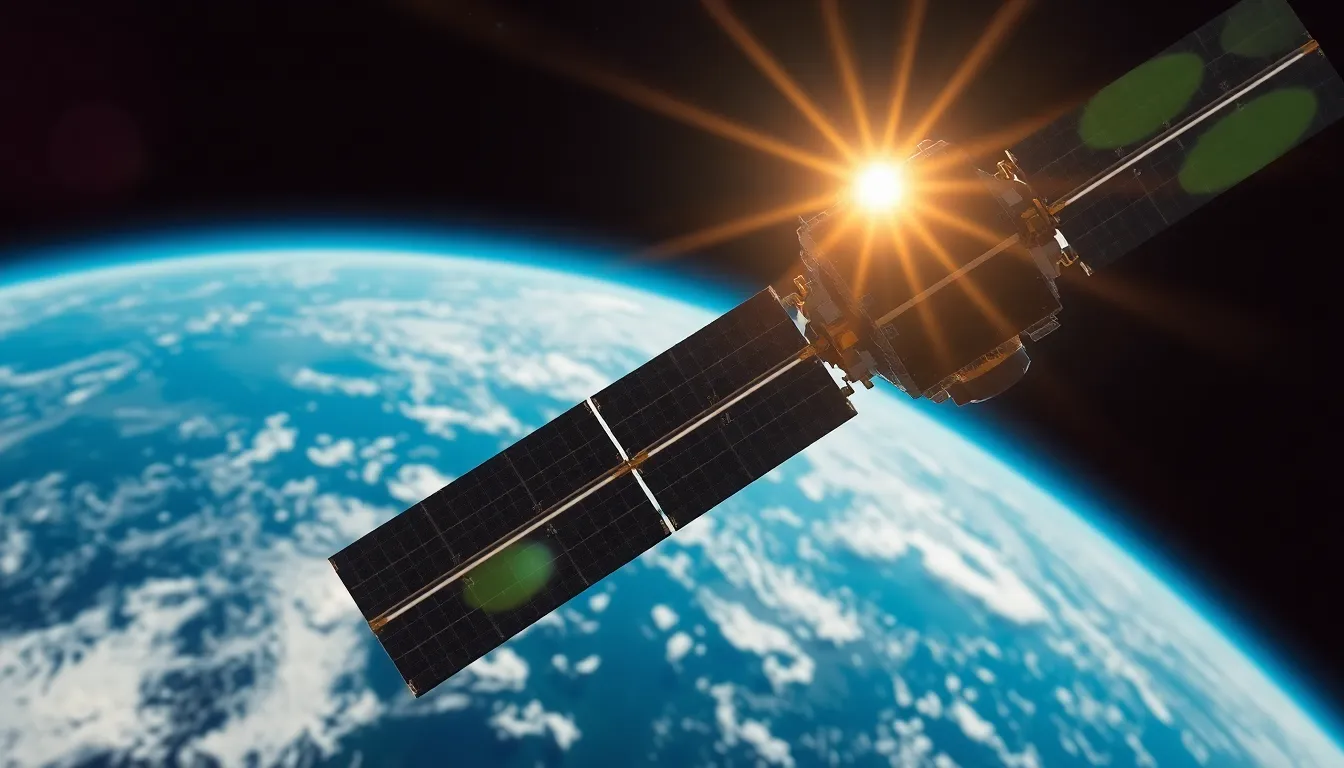
Space-based solar power offers significant advantages over traditional energy sources. The innovative technology supports sustainable energy generation while addressing key energy-related challenges.
Clean Energy Source
Space-based solar power serves as a clean energy source. It doesn’t produce greenhouse gas emissions, significantly reducing climate change impact. Clean energy generation minimizes environmental degradation caused by fossil fuel extraction or combustion. Satellites capture sunlight without being affected by atmospheric conditions, making solar power more efficient. Nikkei Asia reports that this approach may reduce energy-related air pollution, improving public health outcomes. Harnessing solar power from space contributes to a cleaner earth while meeting growing energy demands.
Consistent Energy Supply
Consistent energy supply remains a crucial benefit of space-based solar power. Through continuous sunlight exposure, solar satellites can provide energy round the clock. Every location on Earth can receive power without interruption due to nighttime or weather conditions. Data suggests that a well-positioned satellite can supply up to 10 gigawatts, enough to power large cities. Space-based systems enhance grid stability by diversifying energy sources. This reliability supports critical infrastructure, especially in disaster situations or remote areas lacking conventional energy access.
Challenges Facing Space-Based Solar Power
Space-based solar power presents challenges that impact its development and deployment. Financial investment and technological innovation are crucial to addressing these hurdles.
High Initial Costs
Initial investment costs for space-based solar power are significant. Building infrastructure for launching satellites requires substantial funding. Estimates suggest that deploying a single solar power satellite could cost billions of dollars due to manufacturing, transportation, and installation expenses. These high costs deter investments and create barriers for broader implementation. Long-term cost benefits may overshadow initial expenses as technology advances, but securing funding remains essential for early-stage projects. Cost-effective solutions, including reusable launch vehicles and partnerships with private companies, might help reduce financial obstacles.
Technical Limitations
Technical limitations pose additional challenges for space-based solar power systems. Efficient energy transmission from space to Earth faces obstacles, including atmospheric interference and safety concerns around microwave transmission. Current technology still requires improvement to increase efficiency and reliability. Satellite durability and maintenance are also challenging, as keeping devices operational in harsh space environments involves complex engineering. Research continues in optimizing photovoltaic cells for better energy conversion in space. Integrating advanced technologies may enhance system performance and reliability, yet overcoming these technical barriers is vital for successful deployment.
Current Developments in Space-Based Solar Power
Space-based solar power is quickly advancing, with numerous international and innovative projects underway.
International Projects
Japan leads with its ambitious SBSP initiative, aiming to send a prototype satellite into orbit by the mid-2020s. This project focuses on testing energy transmission capabilities through microwave technology. The United States, through NASA, is also developing plans for solar power satellites, potentially launching the first systems within the next decade. Europe participates as well, with the European Space Agency exploring collaborative efforts for space-based solar energy solutions. Countries like China and India are investing in their own SBSP research, reflecting the global interest in tapping into this revolutionary energy source.
Technological Innovations
Significant technological advancements enhance the prospects for space-based solar power. Researchers continuously refine photovoltaic cells to maximize energy conversion efficiency in outer space. New materials with excellent durability against harsh environmental conditions are being explored, improving satellite longevity and performance. Microwave transmission systems advance as well, with recent prototypes demonstrating effective energy transfer over long distances with minimal loss. Regional collaborations foster knowledge sharing and pooling of resources, contributing to rapid advancements. Ongoing developments in robotics and artificial intelligence also promise to improve satellite deployment and maintenance efficiency, ultimately paving the way for future implementations of SBSP.
Future of Space-Based Solar Power
Advancements in space-based solar power (SBSP) technology promise significant transformations in energy production and consumption dynamics. The potential integration of SBSP into existing energy markets stands as a notable development.
Potential Impact on Energy Markets
Incorporating SBSP could disrupt traditional energy markets. A single solar power satellite produces 10 gigawatts or more, substantially impacting energy supply dynamics. Consumers could see increased energy reliability and potentially lower costs. As SBSP systems become operational, their capability for continuous power generation will attract investors and stimulate market growth. Market stakeholders may experience a shift toward prioritizing clean energy sources, aligning with global sustainability goals. Existing energy sectors might adapt by adopting alternative strategies to remain competitive in a rapidly evolving landscape.
Environmental Considerations
Emphasizing SBSP’s environmental benefits holds significant importance. This renewable energy source reduces reliance on fossil fuels, contributing to a decrease in greenhouse gas emissions. Solar satellites operate free from atmospheric interference, leading to cleaner energy outcomes. Enhanced public health results from reduced air pollution linked to traditional energy production methods. Implementing SBSP supports grid stability, particularly in disaster-prone regions or remote areas, ensuring consistent power delivery. While challenges exist, such as addressing the initial investment required for satellite deployment, the long-term environmental advantages of SBSP outweigh these hurdles, fostering a healthier planet.
Space-based solar power represents a groundbreaking shift in how energy can be harnessed and delivered. By utilizing satellites to capture solar energy continuously, it offers a reliable solution to the limitations faced by traditional solar technologies. The potential for significant energy production and the reduction of greenhouse gas emissions position SBSP as a key player in the global transition to clean energy.
As research and development efforts continue to progress, the challenges associated with costs and technical feasibility may be addressed. The future of energy could very well hinge on the successful implementation of SBSP, paving the way for a cleaner and more sustainable world. With ongoing innovations and international collaboration, the dream of harnessing solar power from space is closer to becoming a reality.