In a world where smartphones seem to have magical powers, it’s easy to forget that some of the real magic happens high above us. Satellite operations are like the unsung heroes of our tech-driven lives, quietly ensuring that GPS knows where to send you for your morning coffee and Netflix knows just what to recommend next. These floating marvels are the backbone of communication, weather forecasting, and even the occasional cat video.
Overview of Satellite Operations
Satellite operations encompass a wide range of activities ensuring satellites function effectively in various roles. These operations include the design, launch, and maintenance of satellites, enabling them to carry out their essential tasks. Managing satellite constellations involves coordinating multiple satellites to achieve optimal coverage and performance.
Communication satellites facilitate interactions across the globe. They transmit signals for television, radio, and internet services, ensuring seamless connectivity. Weather satellites, on the other hand, play a key role in monitoring atmospheric conditions, allowing for precise weather forecasting. Their data helps in predicting severe weather events.
Navigation satellites, particularly those in the Global Positioning System (GPS), enable accurate location tracking. These satellites provide information for many applications, from personal navigation devices to fleet management systems. A precise positioning system enhances transportation efficiency and safety in various sectors.
Satellite operations also involve regular monitoring and troubleshooting. Ground control centers maintain constant contact with satellites, ensuring their systems work correctly. They perform software updates and occasionally adjust satellite orbits and positions, guaranteeing optimal functionality.
Data from satellites contributes significantly to scientific research and environmental monitoring. Remote sensing satellites gather information about land use, vegetation, and climate change. Such data is vital for understanding global challenges and supporting decisions in resource management.
Satellite operations integrate technology, coordination, and data management. Their contributions extend across multiple sectors, profoundly impacting daily life and global systems.
Key Components of Satellite Operations
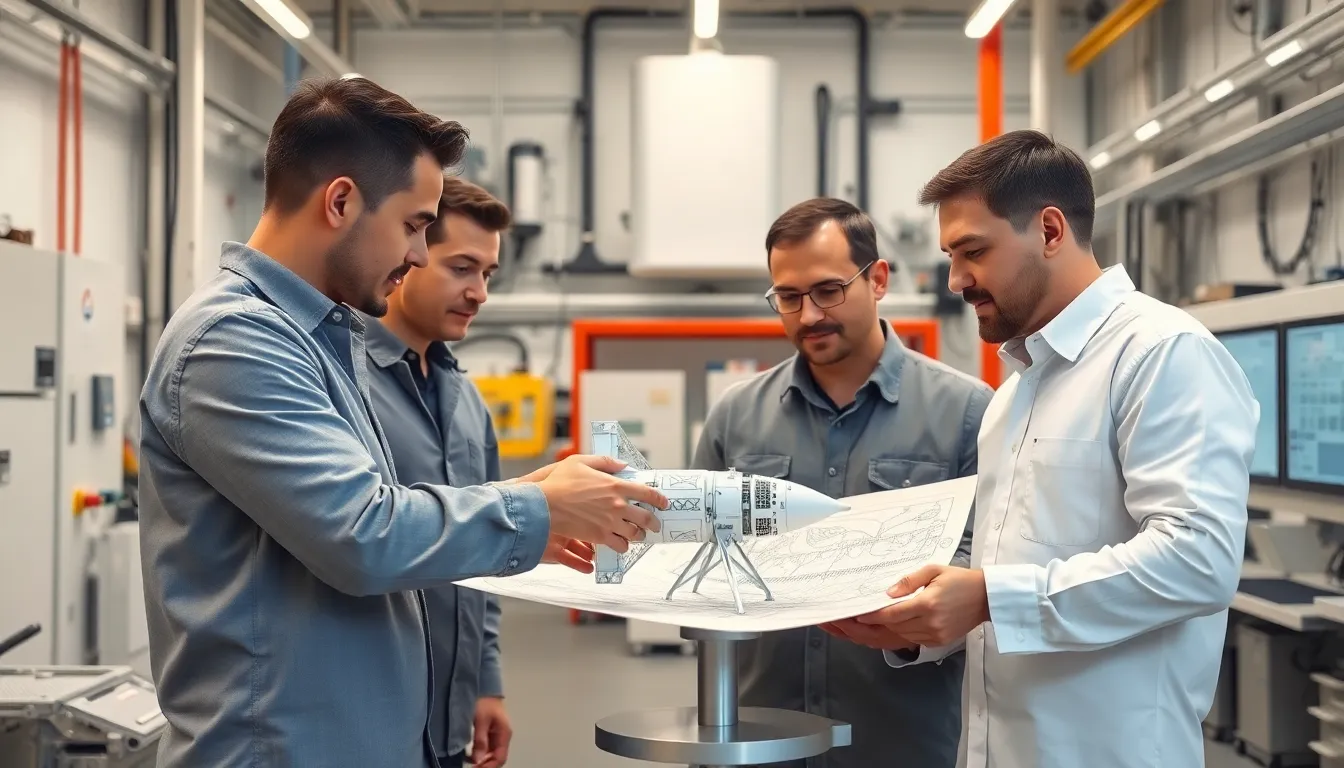
Satellite operations encompass several critical aspects, from design to launch, ensuring satellites can perform their designated tasks effectively.
Satellite Design and Construction
Satellite design and construction involve various disciplines, including engineering, materials science, and computer science. Engineers consider factors like mission objectives and operational environment when developing satellites. Utilizing advanced technology, modern satellites feature lightweight structures, efficient power systems, and sophisticated communication equipment. Each satellite undergoes rigorous testing to ensure reliability in extreme conditions, such as temperature fluctuations and radiation exposure. Manufacturers select materials that optimize performance and durability, contributing to longevity in orbit. Overall, the design process is crucial for meeting specific mission requirements while maximizing efficiency.
Launch and Deployment
Launch and deployment play vital roles in getting satellites into their designated orbits. Various launch vehicles, such as rockets, transport satellites from Earth’s surface to space. Factors influencing launch schedules include vehicle availability, weather conditions, and payload readiness. Once in orbit, deployment mechanisms release satellites into their designated positions. Ground control teams monitor telemetry data to confirm successful deployment and operational status. Coordinating these stages demands extensive planning and collaboration among various agencies, ensuring that satellites reach their intended operational orbits. Ultimately, effective launch strategies make satellite functionality possible.
Operational Phases of Satellites
Satellite operations encompass three main phases: pre-launch, in-orbit, and end-of-life management. Each phase plays a vital role in ensuring the satellite successfully fulfills its mission.
Pre-Launch Operations
Pre-launch operations involve rigorous planning and preparation. Engineers conduct extensive testing on satellite components to confirm functionality under extreme conditions. They assemble the satellite and integrate necessary systems for communication and power. Additionally, teams collaborate to create detailed launch profiles that account for trajectories and timing. Transporting the satellite to the launch site involves specialized vehicles designed for safety. Coordination among various teams ensures seamless operations leading up to the launch.
In-Orbit Operations
In-orbit operations begin once the satellite is deployed into its designated orbit. Ground control teams maintain communication with the satellite, monitoring its performance continuously. Commands sent from Earth adjust satellite positioning and optimize functionality. Data collection starts immediately, with satellites gathering information pertinent to their mission, such as weather patterns or GPS signals. Regular assessments check for malfunctions, and if issues arise, engineers develop troubleshooting strategies. Timely adjustments promote efficiency and prolong the satellite’s operational lifespan.
End-of-Life Management
End-of-life management addresses the final phase of a satellite’s operational cycle. Preparing for retirement, engineers follow established protocols to decommission the satellite safely. Key actions include moving the satellite to a lower orbit to minimize space debris. Proper disposal ensures compliance with international regulations aimed at maintaining a sustainable space environment. Ground control coordinates the final transmission of data before deorbiting. Effective end-of-life management highlights the commitment to responsible space operations and environmental stewardship.
Challenges in Satellite Operations
Satellite operations face various challenges that impact functionality and effectiveness in multiple contexts. These obstacles stem from technical and regulatory factors, each requiring careful management.
Technical Challenges
Technical issues significantly affect satellite performance and reliability. Engineers often encounter challenges related to power management, where maintaining optimal energy levels proves critical for long-term operations. Communication failures can arise due to signal interference, resulting in data loss or delays. Additionally, real-time processing of large datasets creates complications, demanding efficient onboard systems. Failure to meet these technical requirements can compromise mission objectives and impede operational success. Ongoing advancements in technology and engineering methods aim to mitigate these challenges.
Regulatory Challenges
Regulatory hurdles pose substantial barriers in satellite operations. Compliance with international treaties and regulations ensures responsible use of space. Licensing processes for frequency use require coordination with multiple entities, which can extend timelines. Additionally, nations impose varying standards influencing satellite design and operation. Space debris management regulations necessitate strategies for decommissioning satellites responsibly. Navigating these regulatory frameworks demands ongoing collaboration among stakeholders to achieve operational goals while adhering to legal requirements.
Future Trends in Satellite Operations
Emerging trends in satellite operations reveal advancements that redefine capabilities and applications.
Advances in Technology
Innovative technologies continuously enhance satellite operations. Miniaturization of satellite components makes it possible to deploy smaller, more efficient satellites. Increased use of artificial intelligence provides better data analysis and automated decision-making processes. Improved propulsion systems enable satellites to adjust orbits more efficiently, reducing fuel consumption. Additionally, the advent of software-defined satellites allows for flexible programming, adjusting functions without physical alterations. These advancements drive the evolution of satellite technology, promoting faster deployment and improved operational resilience.
Sustainability in Satellite Operations
Sustainable practices gain attention in satellite operations. Stakeholders recognize the importance of minimizing space debris through proactive measures. Implementing end-of-life plans ensures satellites are safely decommissioned, reducing risks of collisions. Regulatory frameworks promote responsible satellite launches, encouraging compliance with international guidelines. Developing debris-removal technologies aims to address existing space waste, preserving orbital environments for future missions. Adopting energy-efficient systems within satellites supports sustainability and reduces overall operational impacts. As awareness of environmental concerns grows, these practices will shape the future landscape of satellite operations.
Satellite operations are fundamental to modern life, seamlessly integrating into daily activities and technological advancements. As satellites continue to evolve, their roles in communication, navigation, and environmental monitoring will only grow more significant.
The focus on sustainability and innovative technologies ensures that these vital tools can operate efficiently while minimizing their impact on space.
Future developments promise to enhance the capabilities of satellites, making them even more integral to global connectivity and scientific progress. Embracing these changes will be essential for navigating the complexities of space operations responsibly and effectively.