Orbiting 250 miles above Earth, the International Space Station is humanity’s ultimate playground in the cosmos. Picture a high-tech laboratory where astronauts float around like kids in a zero-gravity candy store, conducting experiments that could unlock the secrets of the universe. It’s not just a science lab; it’s a symbol of international collaboration, proving that when countries come together, they can reach for the stars—literally.
Overview of the International Space Station
The International Space Station (ISS) serves as a unique platform for scientific research in low Earth orbit. Positioned approximately 250 miles above the planet, this space laboratory operates in microgravity, offering scientists the opportunity to conduct experiments that wouldn’t be possible on Earth. Countries involved in the ISS program include the United States, Russia, Japan, Canada, and member countries of the European Space Agency.
Research aboard the ISS covers diverse fields such as biology, human biology, physics, astronomy, and meteorology. These experiments provide insights that contribute to various applications on Earth, including advancements in medicine and technology. Astronauts frequently perform experiments on topics like fluid dynamics and combustion, which behave differently in microgravity than they do under normal conditions.
Collaboration among nations characterizes the ISS’s purpose beyond scientific exploration. Joint missions highlight the importance of cooperation, allowing countries to pool resources, knowledge, and expertise. This collaborative approach emphasizes that space exploration transcends borders and fosters goodwill between nations.
In addition to its research capabilities, the ISS functions as a training platform for future long-duration space missions, including potential crewed trips to Mars. Astronauts gain valuable experience living and working in space, preparing them for challenges ahead.
The space station boasts a modular design, consisting of multiple interconnected modules, each serving specific functions. Systems aboard the ISS support life, including water recycling, air purification, and energy generation from solar panels. These life-support systems enable continuous human presence, demonstrating sustainability in space environments.
The International Space Station stands as a testament to human ingenuity and international collaboration, fostering scientific advancements and preparing humanity for future exploration of the cosmos.
History and Development
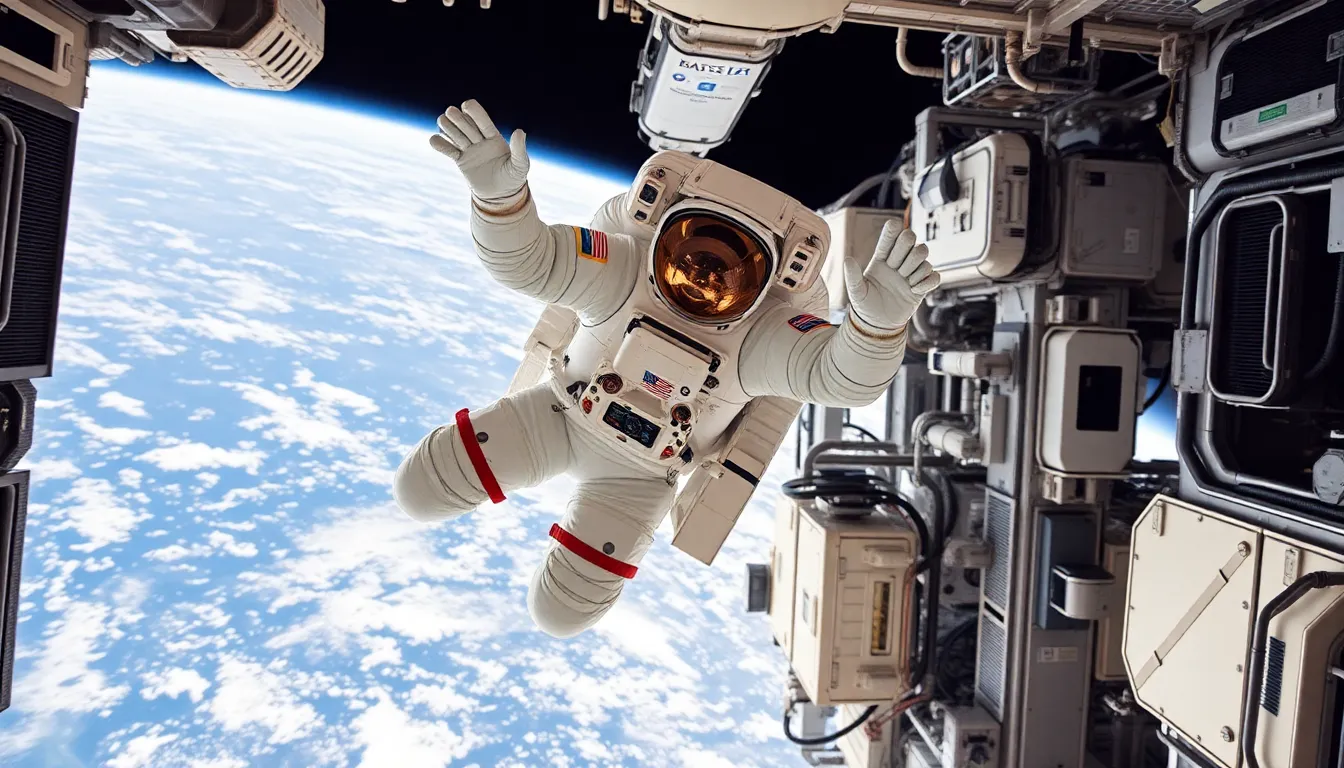
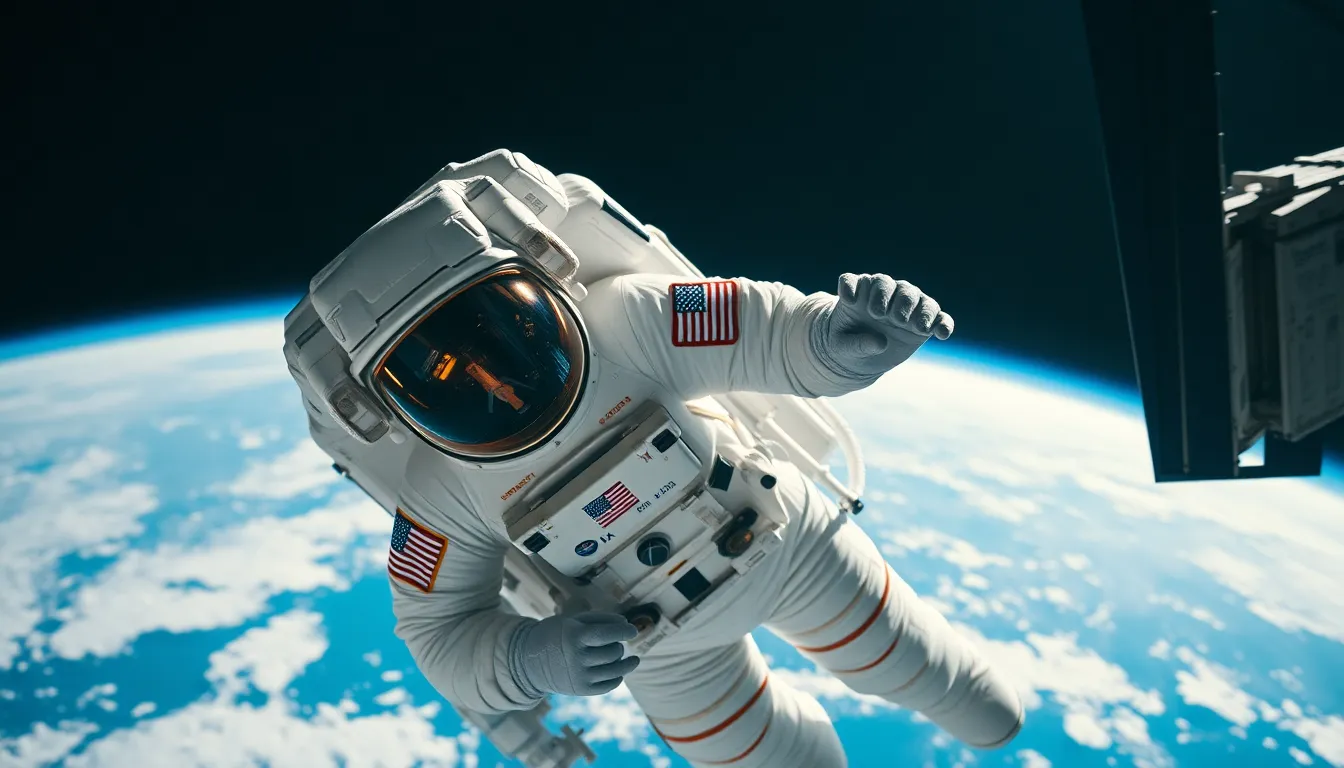
The International Space Station’s (ISS) journey reflects decades of vision and collaboration in space exploration. Its inception dates back to the 1980s, with significant developments stemming from multiple space agencies.
Key Milestones
Construction of the ISS began in 1998 with the launch of Zarya, the first module. Subsequent modules followed, including Unity in 1998 and Zvezda in 2000. In 2000, the first long-term crew arrived aboard, marking the endurance of human presence in space. The ISS expanded with lab modules like Destiny, Columbus, and Kibo, enhancing research capabilities. By 2011, assembly reached completion, allowing for a full-scale operational platform. Each milestone underscored diverse contributions, enabling groundbreaking research across various scientific domains.
Collaborative Efforts
International partnerships define the ISS, involving contributions from the United States, Russia, Japan, Canada, and European countries. Such collaboration led to the development of shared technology and expertise, vital for the station’s operation. Joint missions foster mutual understanding, demonstrating the benefits of global teamwork. Remarkably, astronauts from different nations live and work together, showcasing the strength of cooperation. Regularly, international experiments unite scientists to address global challenges, thus amplifying the impact on Earth. This synergy establishes the ISS as a beacon of peaceful co-existence in space exploration.
Scientific Research Conducted
The ISS conducts groundbreaking scientific research that significantly advances various fields.
Experiments and Innovations
Experiments aboard the ISS cover a wide range of subjects, including fluid dynamics, combustion, crystal growth, and human physiology. Innovations in materials science derive from the unique microgravity conditions, leading to discoveries not possible on Earth. Research teams observe how materials behave in space, contributing to better manufacturing processes. Scientists also investigate plant growth in space, advancing knowledge about food production for long-duration missions. The unique environment fosters new drug development and accelerates testing processes, benefiting further research back on Earth.
Benefits to Earth
Benefits of ISS research extend far beyond space exploration. Health advancements arise from experiments designed to understand aging and diseases in microgravity, paving the way for improved treatments. Environmental studies on the ISS facilitate insights into climate change, helping to model Earth’s atmosphere more effectively. Technologies developed for the ISS, such as water recycling systems, influence sustainable practices on Earth. Enhanced communication systems and data handling developed for space applications lead to improvements in global communications. Overall, the ISS serves as a critical platform for scientific advancement that directly impacts life on Earth.
The Role of the International Space Station in Space Exploration
The International Space Station (ISS) serves as a crucial hub for advancing human presence in space. It acts as a launch pad for deep space missions beyond Earth’s orbit.
Gateway to Deep Space Missions
NASA’s Artemis program aims for crewed missions to the Moon by 2024, using the ISS as a stepping stone. Future plans include establishing a sustainable presence on the Moon, which prepares astronauts for the journey to Mars. Experiments on the ISS contribute valuable data on the effects of long-duration spaceflight on the human body. Astronauts gather insights about managing life and health in space environments, crucial for missions lasting several months. The unique research capabilities aboard the ISS provide essential knowledge regarding life support systems, radiation protection, and resource utilization.
International Collaboration in Space
Collaboration among nations enriches the ISS’s mission and objectives. The contributions from countries such as the United States, Russia, Japan, Canada, and ESA exemplify shared technological advancements. Engineers and scientists from these nations work together to solve complex challenges, fostering an environment of innovation. Joint missions build strong partnerships, allowing astronauts from diverse backgrounds to share expertise. Regular international experiments drive a collective approach to pressing global issues. This united effort reinforces the ISS as a model of peaceful cooperation in the pursuit of scientific progress.
Future of the International Space Station
The future of the International Space Station (ISS) involves groundbreaking projects and focused efforts toward sustainability. Upcoming initiatives aim to expand research capabilities and enhance international collaboration.
Upcoming Projects and Experiments
Numerous projects are on the horizon, highlighting advancements in scientific exploration. Researchers plan to study the effects of microgravity on new materials, which could revolutionize manufacturing. Selected experiments will investigate plant growth and its potential for long-duration missions. Additional studies will focus on human health, examining muscle atrophy and bone density changes during extended space travels. Collaborations with international partners will provide diverse insights into these experiments, ensuring comprehensive results.
Challenges and Sustainability
Challenges persist as the ISS faces aging infrastructure and budget constraints. Ensuring optimal functioning of life-support systems becomes increasingly vital. Sustainability efforts target water recycling and energy efficiency, aiming to minimize waste and resource consumption. Addressing these challenges requires innovative engineering solutions and collaboration among international partners. Sustainable practices developed aboard the ISS help inform environmentally conscious strategies on Earth.