From the days of dial-up connections to the lightning-fast scroll of today, social media networks have transformed in ways that would make even the most seasoned tech guru raise an eyebrow. Once upon a time, sharing a cat meme required a carrier pigeon; now, it takes just a flick of the thumb. This evolution isn’t just a tale of technology; it’s a cultural phenomenon that’s reshaped how people connect, communicate, and even argue about pineapple on pizza.
Overview of Social Media Network Evolution
Social media networks have undergone tremendous changes over the past two decades. Early platforms like Six Degrees and Friendster laid the groundwork for features such as friend connections and user profiles. Growth in technological capabilities enabled more dynamic and user-friendly designs, paving the way for giants like Facebook and Twitter.
Platforms began to leverage real-time communication, making interaction instantaneous. Instant messaging applications emerged, introducing ways for users to engage more personally. YouTube’s rise brought video content to the forefront, transforming passive social media engagement into active sharing and creation of visual content.
User-generated content became a critical component, allowing individuals to contribute on platforms like Instagram and TikTok. With mobile device adoption, social media networks adapted, focusing on accessibility and usability. Visual-centric interfaces catered to a broader audience, emphasizing immediacy and high engagement levels.
Current trends show a vast increase in the use of multimedia elements, enhancing overall user experience. Businesses now utilize social media for marketing, emphasizing targeted advertising strategies and consumer engagement. Data analytics have become essential for understanding user behavior and optimizing content strategies.
Understanding this evolution reflects how social networks shape communication methods and influence cultural exchanges. Observations indicate that as technologies continue to advance, social media networks will adapt, further changing the way individuals interact and share their experiences.
Key Milestones in Social Media Development
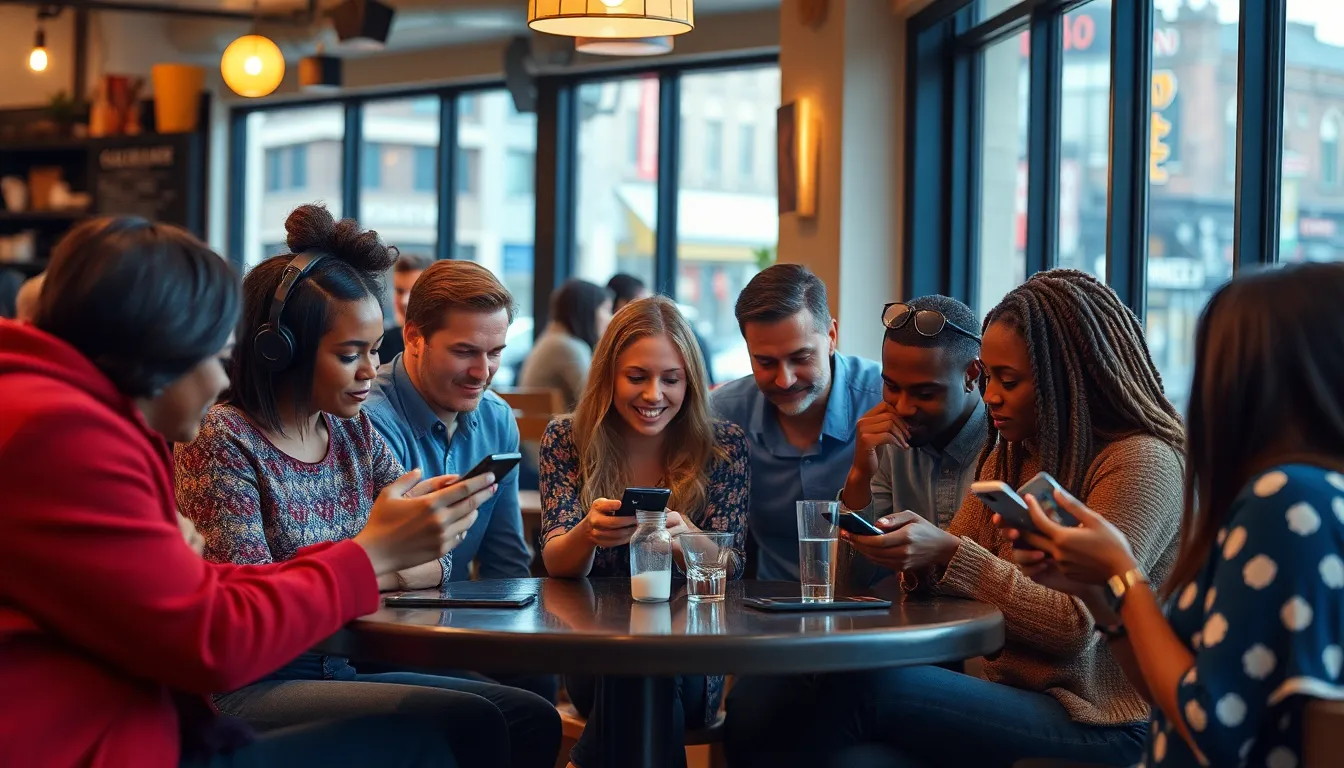
The development of social media reflects a series of transformative milestones that demonstrate its impact on communication. Notable early platforms set the stage for what was to come.
Early Days of Social Networking
Six Degrees debuted in 1997, marking it as one of the first platforms to enable user connections through profiles and friend lists. Friendster followed in 2002, introducing features that encouraged connectivity among users. These platforms laid the groundwork for social interaction online, facilitating the concept of networking. Early adopters began exploring the potential for friendship and interaction in virtual spaces. As bandwidth improved and internet access expanded, users experienced a shift in how they engaged with one another, leading to more dynamic and interactive communication.
Rise of Major Platforms
The launch of Facebook in 2004 revolutionized social networking by integrating user-friendly features that attracted millions. Twitter emerged in 2006, offering real-time updates that fostered instant communication. Instagram, introduced in 2010, shifted focus toward visual storytelling, allowing users to share photos and videos with ease. These platforms experienced exponential growth as unique features attracted diverse audiences. The arrival of smartphones further accelerated engagement, driving users to interact seamlessly while on the go. Enhanced capabilities created a demand for mobile social networking, leading to innovative approaches in user experience and engagement.
Impact of Technology on Social Media Networks
Technology has significantly reshaped social media networks, enhancing connectivity and user experience. Advances in communication tools shape how platforms evolve.
Mobile Connectivity
Mobile connectivity transformed access to social media. The ubiquity of smartphones allows users to engage with platforms anywhere at any time. Instant notifications and real-time updates keep individuals connected, fostering greater interaction. As of 2023, approximately 90% of social media users access these services via mobile devices. Applications optimize for smaller screens, ensuring functionality and ease of use. This mobile-first approach prioritizes user engagement, creating a vibrant social media landscape.
Algorithmic Changes
Algorithmic changes revolutionize how content is discovered and shared on social media. Platforms like Facebook and Instagram utilize algorithms to personalize user feeds based on history and preferences. Engagement rates and user interactions inform these algorithms, affecting the visibility of posts. As a result, content creators adapt strategies to enhance performance in feed algorithms. In 2023, over 70% of users express concern over algorithm transparency and relevance. This demand for clarity drives ongoing adjustments, influencing users’ interactions and platform dynamics.
User Behavior and Social Media Trends
User behavior in social media has evolved significantly along with the platforms themselves. Factors such as age, location, and interests influence how users interact with different networks.
Shift in User Demographics
Demographic shifts reshape the user landscape. Younger audiences increasingly flock to platforms like TikTok and Snapchat, while older generations remain active on Facebook and Twitter. Studies indicate that users aged 18 to 29 form 60% of TikTok’s user base, reflecting a trend towards platforms prioritizing short-form video content. Additionally, diverse demographic representation on these platforms has surged, leading to broader conversations on cultural relevance and inclusivity.
Changing Content Consumption Patterns
Content consumption evolves rapidly in response to user preferences. Video content dominates, with statistics revealing that users prefer watching videos over reading text. About 54% of users express a preference for video as their primary source of online content. Live streaming has gained immense traction, with audiences seeking real-time interaction and engagement. Furthermore, stories and ephemeral content formats encourage frequent checking, enhancing user retention and daily engagement. Platforms are adapting, making investment in video production and user-generated content essential for content creators.
Future of Social Media Network Evolution
Anticipating the future of social media networks involves understanding current trajectories and user preferences. Innovations in artificial intelligence will continue enhancing user experiences by providing more personalized content. Increased use of augmented reality and virtual reality technologies promises to make social interactions more immersive.
Mobile-first design principles dominate, as 90% of users presently access social media via mobile devices. Emphasizing this approach prepares platforms to meet user demands for quick, engaging interactions on the go. Younger demographics increasingly prefer short-form video content, driving platforms towards prioritizing dynamic engagement strategies.
User-generated content remains crucial, with TikTok leading the way in fostering creativity. As real-time sharing becomes the norm, businesses will adopt innovative marketing strategies to reach targeted audiences effectively. Data analytics will become even more essential for identifying user trends and optimizing content delivery to enhance engagements.
Concerns about algorithm transparency persist among over 70% of users, influencing their interactions. Adapting to these concerns will shape how platforms function in the coming years. Engagement formats like live-streaming and ephemeral content will likely continue gaining traction due to their ability to keep users connected.
Discussions around mental health and digital well-being are gaining relevance. As users seek healthier online environments, platforms may implement features promoting balanced usage. Understanding these shifts is vital for businesses aiming to maintain relevance in a rapidly evolving digital landscape.
The evolution of social media networks reflects a profound shift in how individuals connect and communicate. As platforms adapt to technological advancements and user preferences, they continue to redefine social interactions. The rise of mobile-first designs and video content underscores the need for dynamic engagement strategies.
Looking ahead, innovations in artificial intelligence and immersive technologies will likely enhance user experiences even further. As concerns around algorithm transparency and mental health gain prominence, platforms must prioritize user well-being. Understanding these trends is essential for anyone navigating the ever-changing landscape of social media. The future promises exciting developments that will shape communication in ways yet to be imagined.