Bottled water has become a staple in modern life, often seen as a convenient choice for hydration on the go. But when did this ubiquitous product first make its debut? The journey of bottled water is more fascinating than many realize, tracing back to centuries ago when people sought clean drinking options.
In a world where health and convenience are paramount, understanding the origins of bottled water sheds light on its evolution. From early methods of packaging water to today’s sleek designs and diverse options, the story of bottled water reflects changing consumer habits and technological advancements. This exploration reveals not just the history but also the cultural significance of bottled water in daily life.
The History of Bottled Water
Bottled water has evolved significantly from its early beginnings to become a staple in modern hydration. This section explores its historical context, specifically early references to water containment and the emergence of commercial bottled water.
Early References to Water Containment
Ancient civilizations sought clean drinking water, leading to the use of various containment methods. Greeks and Romans used clay vessels to store water, ensuring access to safe drinking options. In the 7th century B.C.E., the first recorded instance of water storage appeared in Greece, where people collected water in large jars. Additionally, Egyptians also utilized glass vessels around 1500 B.C.E. for storing water, underlining the long-standing need for potable water throughout history.
The First Commercial Bottled Water
The commercialization of bottled water began in the early 1700s in Europe. In 1700, the first bottled mineral water appeared in the form of water sourced from spa towns. These towns, such as Spa in Belgium, marketed bottled mineral water for its supposed health benefits. By the late 19th century, the first mass-produced bottled water emerged in the United States. In 1776, Jackson’s Spa in the New Jersey area bottled mineral water commercially. This set the foundation for the bottled water industry we recognize today, expanding its availability and encouraging the consumer shift towards packaged hydration in the 20th century.
Key Milestones in Bottled Water Production
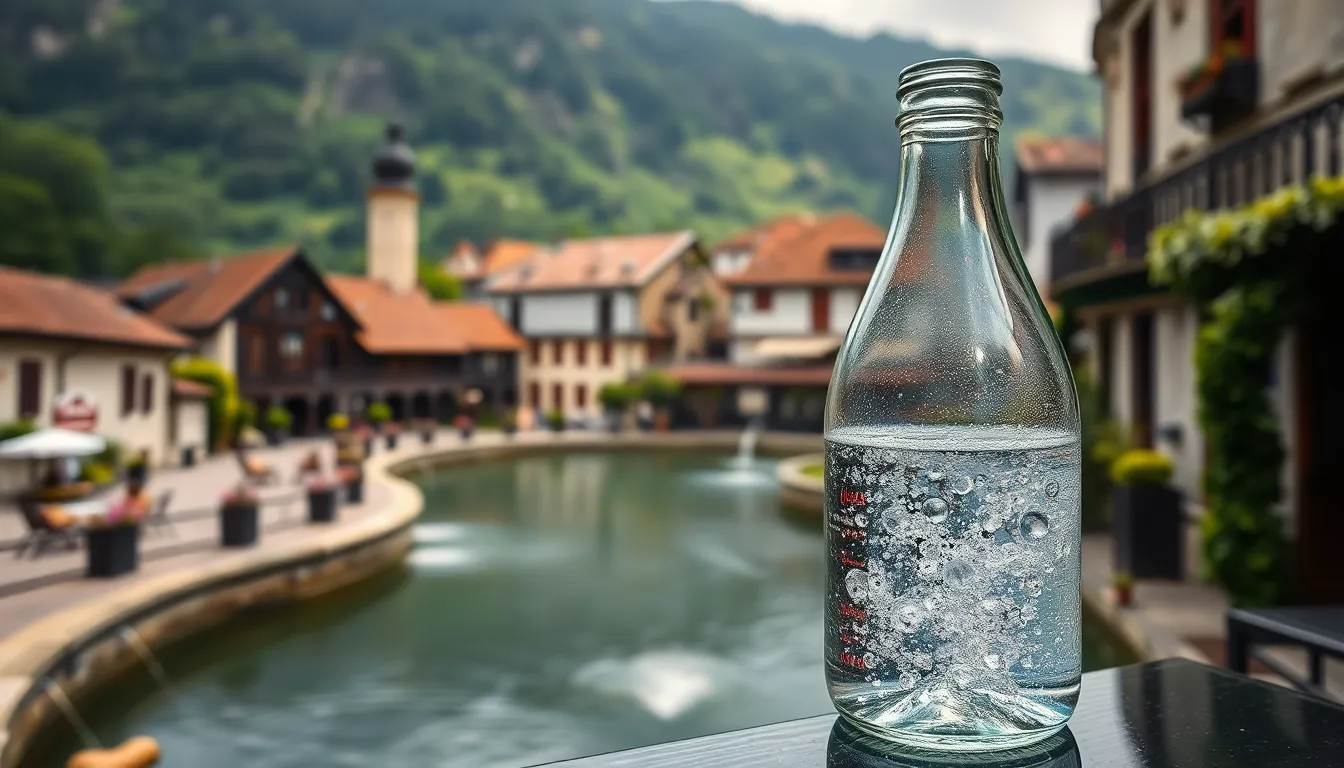
Bottled water production has evolved significantly over the centuries. Each milestone reflects advancements in technology and shifts in consumer preferences.
The 18th Century: Beginnings of Bottled Water
The 18th century marked the inception of bottled water as a commercial product. In 1767, Jacob Schweppe developed a method for carbonating water, launching the first commercially available sparkling mineral water. Spa towns in Europe, particularly in England and France, capitalized on this trend by promoting mineral-rich Spring waters bottled for therapeutic benefits. These early initiatives set foundational business models for the bottled water industry.
Advancements in the 19th Century
By the 19th century, bottled water saw significant advancements in production and distribution. In 1820, the first mass-produced bottled water originated in the United States. This water came from natural springs, and companies began marketing it as a health remedy. In 1851, the invention of the bottle-making machine streamlined production, allowing for larger quantities of water to be bottled efficiently. Advances in glass and later plastic technology in the late 1800s further revolutionized storage, reducing costs and improving accessibility. The combination of these factors led to a boom in bottled water popularity and established it as a staple in American households by the century’s end.
Popularity Surge in the 20th Century
The popularity of bottled water experienced a significant increase in the 20th century, driven by various factors and innovative marketing techniques. This surge transformed bottled water into a staple consumer product.
Factors Influencing Bottled Water Demand
- Convenience: Busy lifestyles prompted consumers to seek easy hydration options. Bottled water provided a portable and accessible source of hydration for on-the-go individuals.
- Health Awareness: Growing health consciousness led consumers to prefer bottled water over sugary beverages. As people aimed to improve their diets, bottled water became an appealing choice for healthier hydration.
- Pollution Concerns: Rising concerns about tap water quality influenced bottled water demand. Reports of contamination and pollutants in municipal water supplies increased consumer trust in bottled water brands that advertised purity.
- Outdoor Activities: The popularity of outdoor activities and fitness trends encouraged bottled water consumption. Hikers, athletes, and beachgoers often chose bottled water for convenience and hydration during their pursuits.
- Global Reach: Expansion of global trade facilitated access to bottled water markets worldwide. Multinational companies capitalized on diverse consumer bases, making bottled water available in various regions.
Marketing and Branding Innovations
- Celebrity Endorsements: High-profile endorsements established bottled water brands as status symbols. Celebrities and athletes promoted specific brands, enhancing consumer perception.
- Eco-Friendly Packaging: Brands adopted environmentally friendly practices to capture environmentally conscious consumers. Use of recycled materials in packaging and commitments to sustainability became key marketing messages.
- Product Diversification: Companies introduced flavored, functional, and enhanced water options. By catering to diverse tastes and preferences, bottled water brands expanded their market appeal.
- Lifestyle Marketing: Advertising shifted to position bottled water as part of a desirable, healthy lifestyle. Campaigns featured images of active individuals enjoying bottled water in aspirational settings.
- Premiumization: Some brands emphasized quality and exclusivity, offering high-end bottled water options. This tactic attracted affluent consumers seeking luxury goods, enhancing brand prestige and driving sales.
These factors and innovations collectively contributed to the widespread acceptance and prevalence of bottled water in everyday life.
Environmental Impact of Bottled Water
Bottled water significantly affects the environment, primarily through plastic waste and the search for sustainable alternatives in the beverage industry.
Plastic Waste Concerns
Plastic waste remains a critical issue due to the production and disposal of bottled water. In 2021, approximately 600 billion plastic bottles were sold globally. Only 9% of plastic waste generated has been recycled, leading to environmental degradation. Oceans and landscapes accumulate discarded bottles, harming wildlife and ecosystems. Bottled water contributes to the demand for petroleum-based products, which exacerbates resource depletion and greenhouse gas emissions. The production process for plastic also consumes large amounts of water, causing further strain on local water supplies.
Sustainable Alternatives
Sustainable alternatives to bottled water are becoming increasingly viable. Reusable water bottles made from stainless steel or glass provide eco-friendly hydration options. Filtered tap water offers a practical choice, reducing reliance on bottled water while promoting public health. Many companies are investing in biodegradable packaging to minimize their environmental footprint. Innovations such as water refill stations also encourage consumers to use less bottled water and reduce plastic waste. Encouragingly, these initiatives not only appeal to environmentally-conscious consumers but also contribute to a broader shift towards sustainability in the beverage industry.
Bottled water has come a long way since its ancient origins. Its evolution reflects not only advancements in technology but also shifts in consumer behavior and lifestyle choices. As the industry continues to grow and adapt to modern demands, the challenges of environmental sustainability remain at the forefront.
With increasing awareness about plastic waste and resource depletion, many are now seeking eco-friendly alternatives. The future of bottled water may hinge on balancing convenience with environmental responsibility. As consumers become more mindful of their choices, the industry faces the opportunity to innovate for a more sustainable tomorrow.